
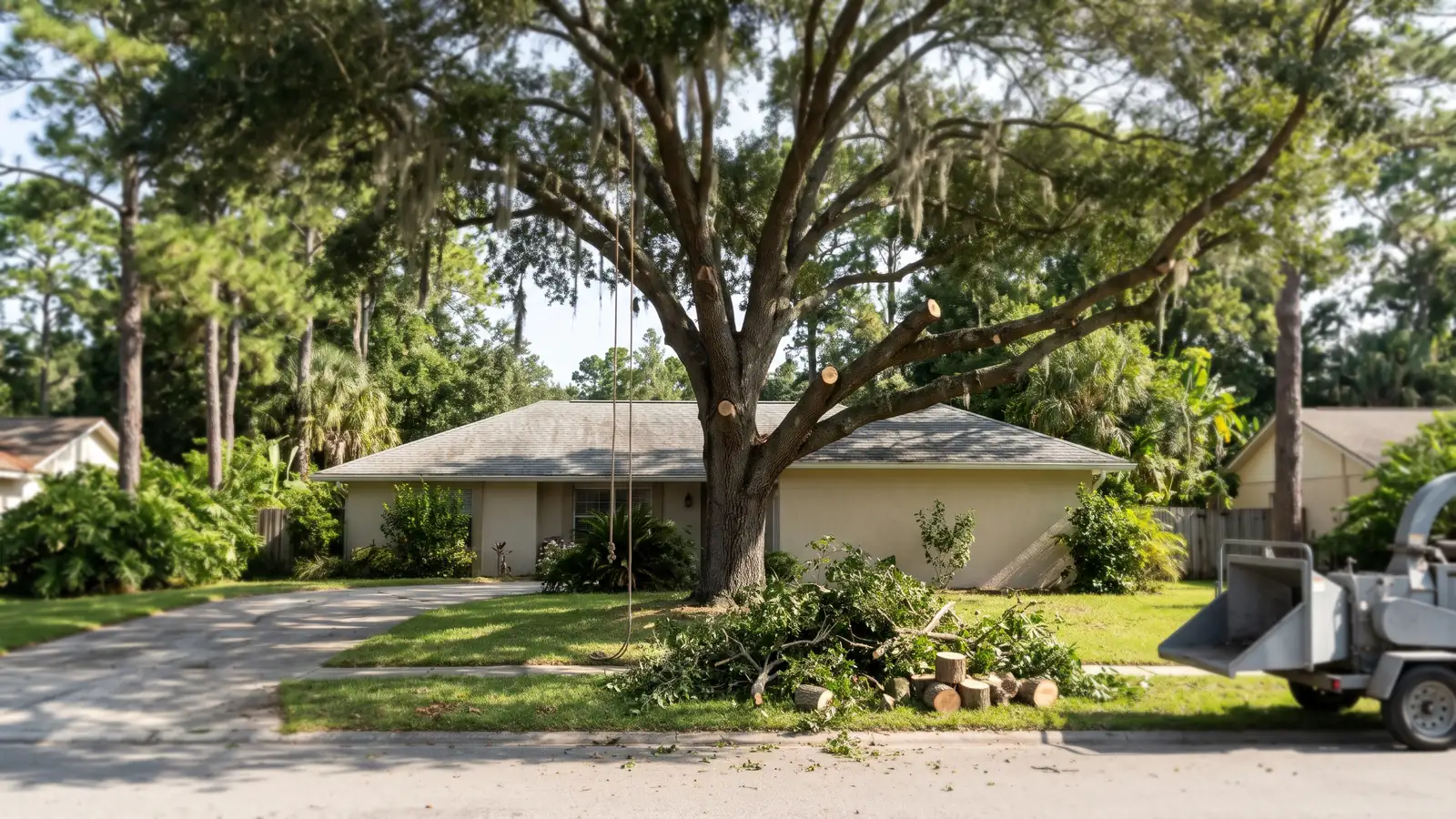
Palm Tree Trimming by Species and Job
Trimming a palm means taking off whole fronds, flower stalks and fruit, and how much of that a palm needs depends on the species. UF/IFAS says dead fronds don't harm the palm; they come off for looks and so they don't fall on people or property.
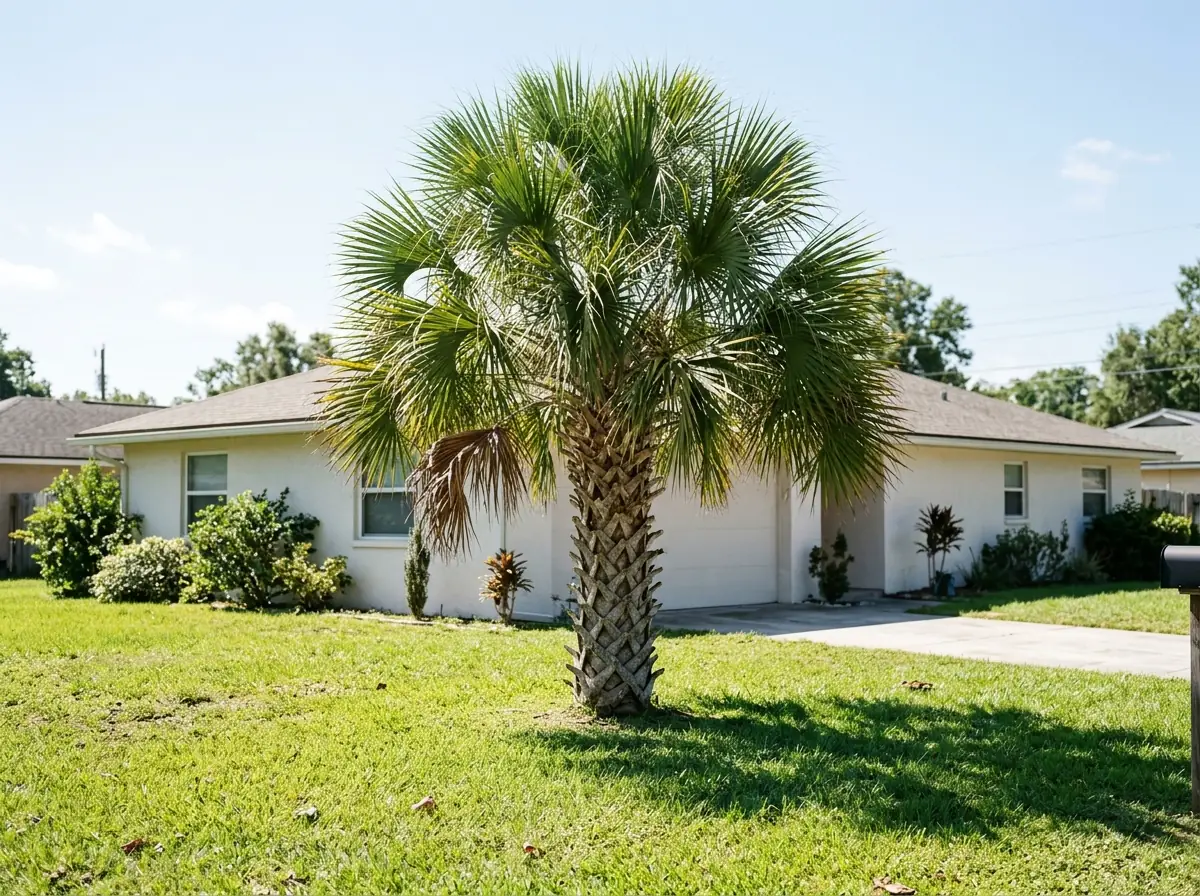
Sabal (Cabbage) Palms
The sabal, or cabbage palm, is native across Florida. UF/IFAS describes a trunk 10 to 16 inches across growing to about 40 feet, with fan leaves 3 to 4 feet long on stalks of 3 to 6 feet. Flower stalks appear in late spring and black fruit follows in late summer. The old leaf bases ("boots") left on the trunk should be cut close, not ripped off: UF/IFAS warns that pulling a frond that won't come away easily tears the trunk and can let in a lethal trunk rot.
- About 14 new leaves a year, in UF/IFAS's South Florida estimate
- 15 to 30 feet: $75 to $400 per palm (HomeGuide)
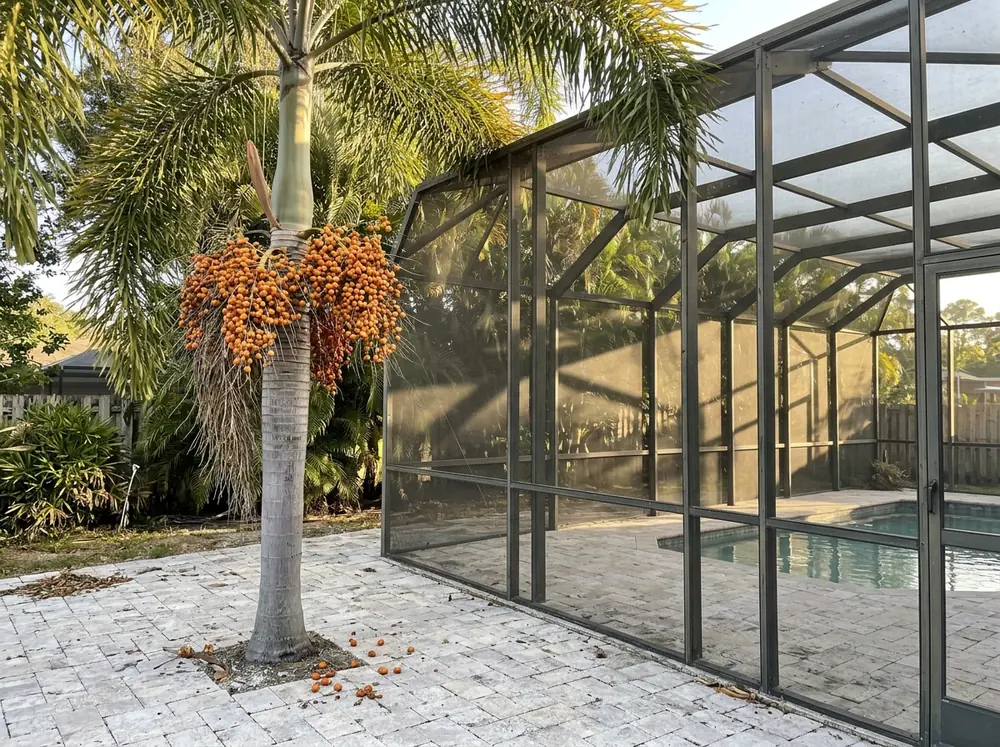
Queen Palms
Queen palms grow up to 50 feet on smooth gray trunks, and UF/IFAS notes they aren't self-cleaning. Summer flower plumes turn into orange fruit by winter, and the fruit is a nuisance once it falls.
- HomeGuide: seed pods near a home or walkway are worth removing; it isn't needed for the palm's health
- UF/IFAS: cutting flower stalks can raise leaf production
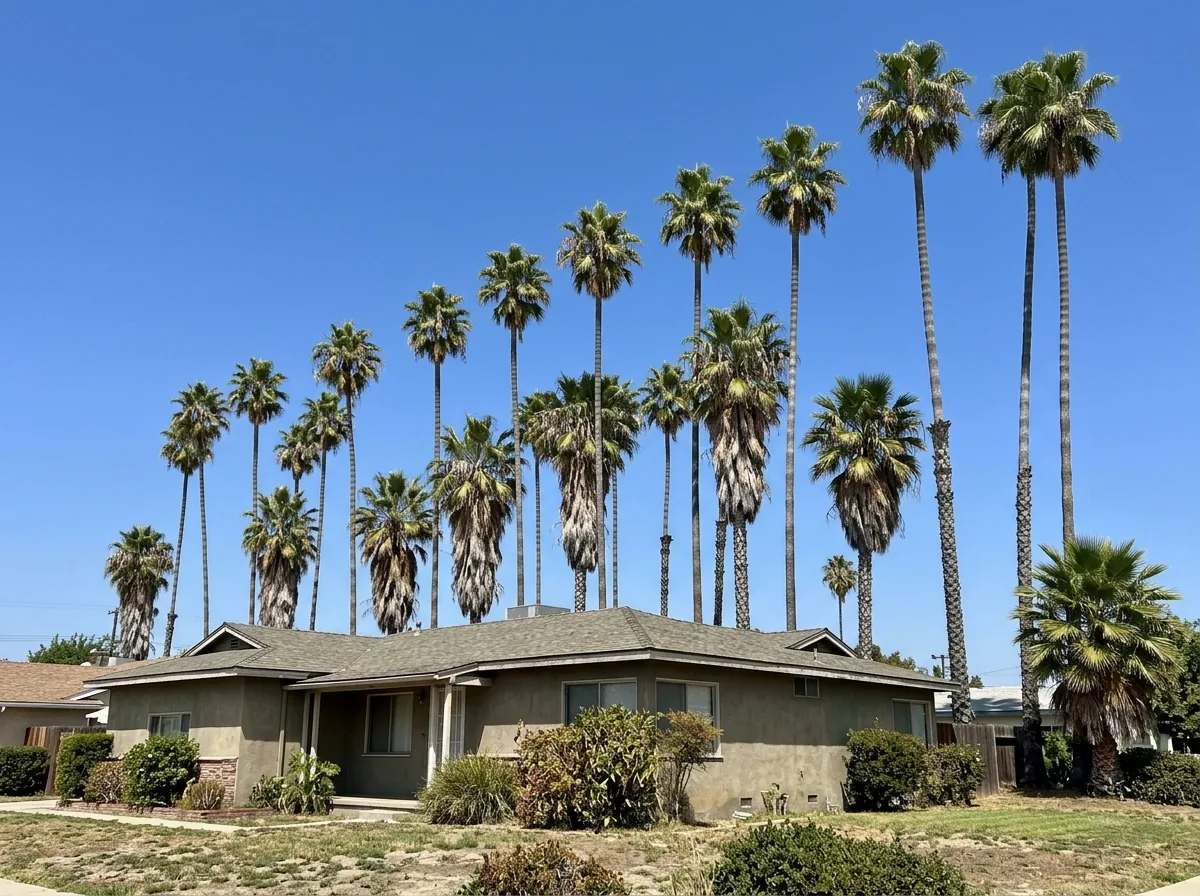
Washingtonia (Mexican Fan) Palms
UF/IFAS says Mexican fan palms of about 30 feet or less in Florida usually hold onto a skirt of dead leaves, then start shedding it within a year or so and become mostly self-cleaning. Cutting the skirt off removes hiding places for rats, snakes and scorpions. Height is the cost here: HomeGuide notes that palms over 30 feet need a bucket truck or crane.
- About 60 new leaves a year (UF/IFAS estimate)
- 60 to 80 feet: $250 to $1,100; over 80 feet: $1,000 to $1,500 (HomeGuide)
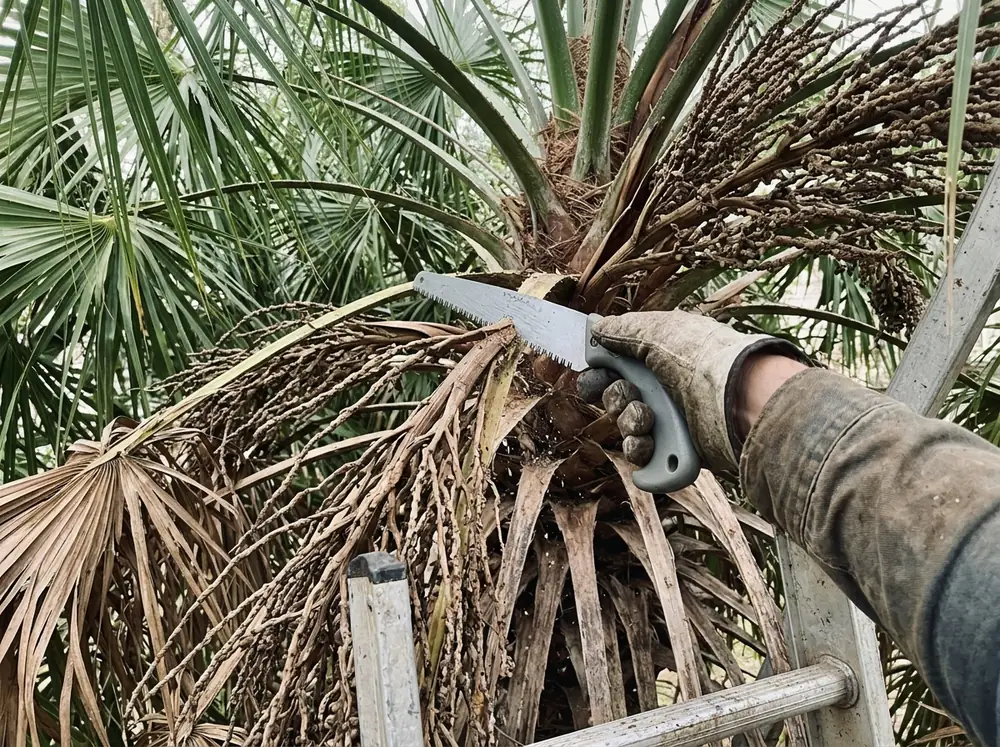
Dead Fronds, Flower Stalks and Fruit Clusters
This is the core of any palm trim. UF/IFAS says removing completely dead leaves and flower or fruit stalks is never a problem, and heavy fruit clusters can fall and cause a mess or a hazard. HomeGuide adds that a neglected palm carrying many dead fronds costs more to trim.
- Cleanup and disposal: most companies include it, some charge separately (HomeGuide)
- HomeGuide suggests trimming once or twice a year, depending on the palm and its condition
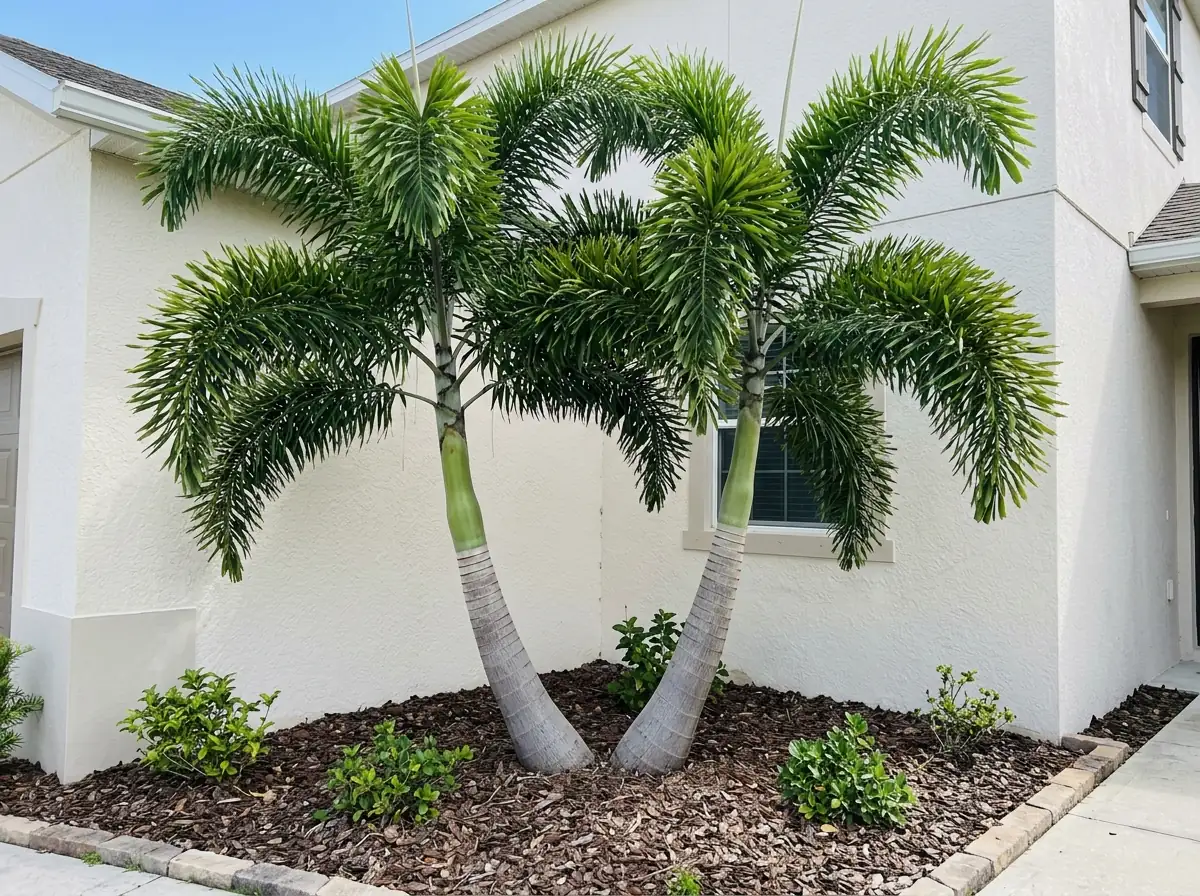
Palms That Shed Their Own Fronds
Palms with a crownshaft, the smooth green section of trunk just under the fronds, drop their old leaves on their own about once a month. UF/IFAS names royal, foxtail and Christmas palms in this group and says they need no pruning, so a quote that includes them is worth questioning.
Why Palm Coast homeowners, HOAs and property managers call Palm Coast Tree Service
- Each request goes to just one tree company
- Free to use; you pay only for work you sign off on
- Ask for an estimate that lists cleanup and hauling
- Ask to see liability and workers' comp proof
Palm Trimming Limits UF/IFAS Sets for Florida Palms
UF/IFAS's first rule is short: never remove live, green, healthy fronds. The rest follows from it.
The 9-and-3 line
The ANSI palm standard UF/IFAS cites allows no leaf removal above the horizontal, the 9 o'clock and 3 o'clock positions on a clock face, and UF/IFAS calls that a limit, not the goal. A palm that looks like a feather duster has been cut past that line.No hurricane cut
UF/IFAS observed that palms stripped to a tuft before the 2004 and 2005 seasons were more likely to have their crowns snapped off than palms with full crowns, and calls the practice harmful and not rooted in science. The City of Palm Coast's own handout states that hurricane cuts are not good for palms.Spikes stay off the trunk
Holes from climbing spikes never heal on a palm and can let disease in, so ask how the trimmer will reach the crown.Cut, don't pull
Fronds are cut close to the trunk without cutting into it.Any month works
UF/IFAS finds no month better than another for the palm itself; commercial crews tend to work on a fixed yearly or twice-yearly schedule. Taking dead fronds off before hurricane season opens on June 1 may keep them from becoming missiles in a storm. For storm season dates and pre-season pruning on other trees, see hurricane tree trimming.
Questions for a Palm Trimming Quote
HomeGuide describes a typical palm trim as an inspection, the trimming, frond removal and cleanup with disposal, and its checklist for palm work is worth borrowing. Ask whether the trimmer is taking only the brown fronds, and if not, why. Ask whether stalks and seed pods cost extra, what equipment will be used, and whether the tools are disinfected between palms. HomeGuide also suggests getting a second opinion from anyone who recommends cutting healthy green fronds.
Species and access shift the price. HomeGuide says palms with more fronds, wider trunks or prickly fronds take longer, and palms close to a building, a fence or power lines need more precautions. An arborist billing by the hour costs $100 to $250, usually with a one-hour minimum. A palm showing disease rather than plain dead fronds is a different call, covered on the palm tree disease page.